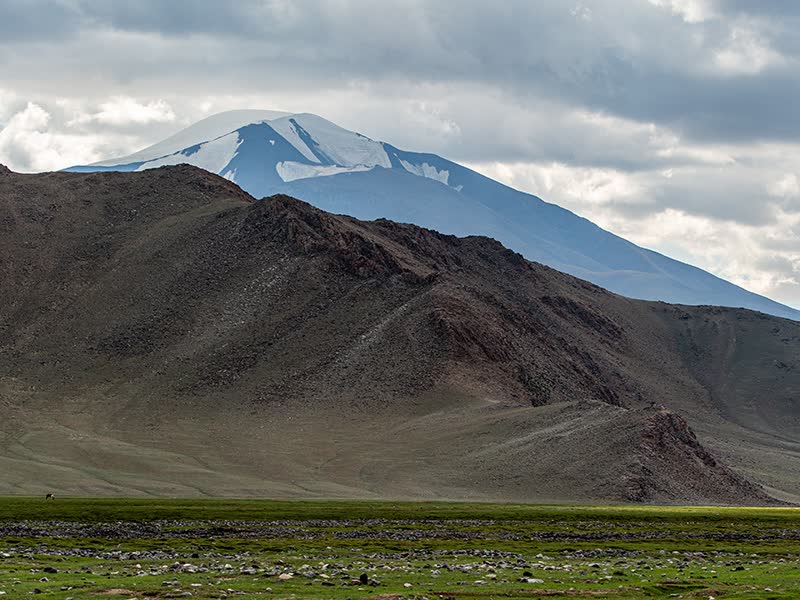
🏔️ Tsambagarav Uul National Park
Sacred Peaks, Glaciers & Nomadic Life in Western Mongolia
Tsambagarav Uul National Park – Where Sacred Mountains Meet Nomadic Traditions
Tsambagarav Uul National Park is one of western Mongolia’s most spectacular yet least-visited protected areas. Centered around the sacred, permanently snow-covered Tsambagarav Mountain (4,208 m / 13,737 ft), the park lies on the natural border between Bayan-Ölgii and Khovd aimags.
Covering 110,960 hectares, the park preserves a dramatic mix of high-altitude glaciers, rocky gorges, alpine lakes, and living nomadic culture, making it a destination for travelers seeking authentic, off-the-beaten-path adventure.
Tsambagarav Uul has long been revered by local communities as a holy mountain, respected and protected through generations of nomadic tradition.
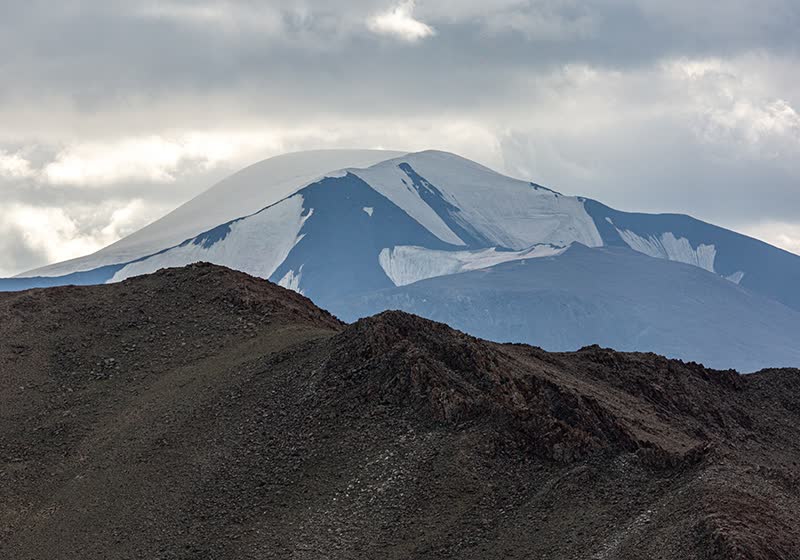
🏔️ Mountains, Peaks & Sacred Landscapes
The park is dominated by two major peaks:
- 🏔️ Tsambagarav Uul – 4,208 m
- 🏔️ Tsast Uul – 4,193 m
Both peaks are technical alpine climbs, requiring:
- Crampons
- Ropes
- Mountaineering experience
However, the surrounding ridges, hills, and valleys offer excellent non-technical hiking routes, suitable for fit travelers and photographers who want close-up views of glaciers without climbing to summits.
The contrast of white snowfields, black volcanic rock, and golden steppe creates one of Mongolia’s most visually striking mountain environments.
❄️ Glaciers, Gorges & Water Systems
Tsambagarav Uul National Park contains a rich alpine ecosystem shaped by ice and water:
- 🧊 Multiple mountain glaciers feeding rivers and lakes
- 🪨 Deep rocky gorges carved by glacial meltwater
- 🏞️ Glacial lakes with crystal-clear, icy-blue water
- 💧 A scenic 7-meter waterfall, especially powerful in summer
These features support wildlife, nomadic herders, and seasonal grazing, while offering stunning backdrops for hiking and photography.
🐾 Wildlife & Endangered Species
The park protects a remarkable range of rare and endangered Altai wildlife, thriving in its remote and lightly disturbed habitats:
- 🐏 Argali sheep (world’s largest wild sheep)
- 🐐 Siberian ibex
- 🐆 Snow leopard (extremely rare but present)
- 🐦 Rock ptarmigan
- 🐦 Altai snowcock
- 🦅 Raptors and alpine birds
Wildlife sightings are most common in early mornings, high valleys, and less-traveled areas.
🪨 Archaeology & Sacred Heritage
Tsambagarav Uul National Park is also a landscape of ancient human history:
- 🗿 Deer stones from the Bronze Age
- 🪨 Balbal (standing stones) linked to Turkic cultures
- 🏺 Burial mounds and ritual sites
- 🛖 Sacred areas respected by local nomads
These archaeological features reflect thousands of years of human presence in the Altai Mountains, where spiritual beliefs and nature remain deeply connected.
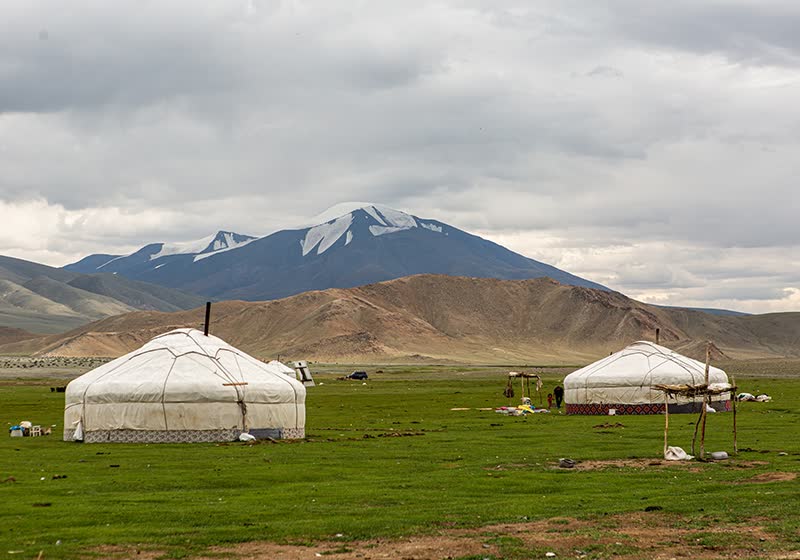
🏕️ Nomadic Culture & Local Life
The park is home to Kazakh and Uriankhai nomads, who migrate seasonally with their livestock.
- 🐎 Horse, camel, yak, sheep, and goat herding
- 🛖 Family stays offering authentic cultural immersion
- 🍲 Traditional meals, dairy products, and hospitality
- 🎶 Oral traditions, folklore, and mountain knowledge
During summer, many residents of Altantsogts village move 30 km south to higher pastures on Tsambagarav’s slopes, following ancient migration routes still in use today.
🏕️ Activities in Tsambagarav Uul National Park
🌞 Summer & Autumn
- 📸 Landscape & cultural photography
- 🥾 Multi-day hiking & trekking
- 🐎 Horse & camel riding across mountain valleys
- 🧗 Mountaineering (for experienced climbers)
- 🎣 Fishing in alpine streams and lakes
- 🦅 Eagle hunting experiences (seasonal, with guide)
❄️ Winter & Shoulder Seasons
- 🦅 Winter eagle hunting culture
- 🥾 Cold-season trekking (weather permitting)
- 📷 Snow-covered mountain photography
This park is best suited for adventure travelers, nature lovers, and cultural explorers, rather than luxury tourism.
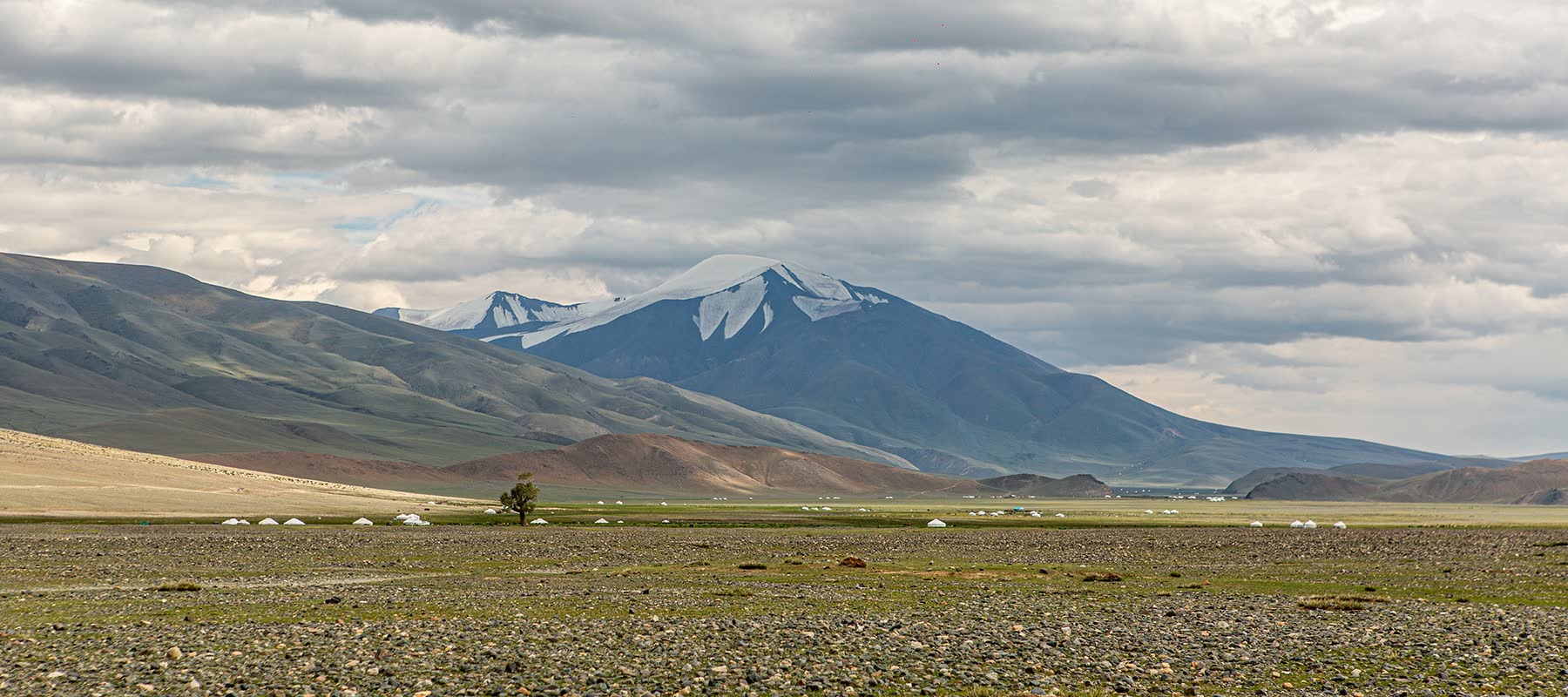
❄️🛖 Accommodation & Facilities
- ⛺ Ger camp near the park
- 🛖 Nomadic family homestays inside and around the park
- 🏘️ Small summer village outside the protected area
Facilities are simple, clean, and authentic—perfect for travelers seeking real Mongolian wilderness experiences.
🚙 Access & Transportation
- 📍 Located 75 km east of Ölgii, on the main road toward Khovd
- 🚗 Transport arranged via local tour guides
- 🚌 Summer shuttle service (Wednesdays & Sundays) to the ger camp, operated by Blue Wolf
- 🚙 4WD vehicles recommended
Travel times depend on road and weather conditions.
📅 Best Time to Visit
| Season | Highlights |
|---|---|
| June – August | Best weather, nomadic life, hiking |
| September | Clear skies, autumn colors, photography |
| October – May | Harsh winter, limited access |