
🐾 Pallas’s Cat in the Altai Mountains of Mongolia
The Elusive Mountain Ghost of Central Asia
🐾 Pallas’s Cat in the Altai Mountains of Mongolia
The Pallas’s cat, also known as the Manul, is one of the most distinctive and mysterious wild cats on Earth. Nowhere is this ancient feline more perfectly adapted—and more fascinating—than in the Altai Mountains of western Mongolia. With its harsh climate, open steppe, rocky slopes, and minimal human disturbance, the Altai region provides one of the strongest remaining natural habitats for this rare species.
For wildlife enthusiasts and photographers, the Altai Mountains offer a rare opportunity to observe and photograph the Pallas’s cat in its true environment, guided by local knowledge and traditional tracking skills.
What Is a Pallas’s Cat?
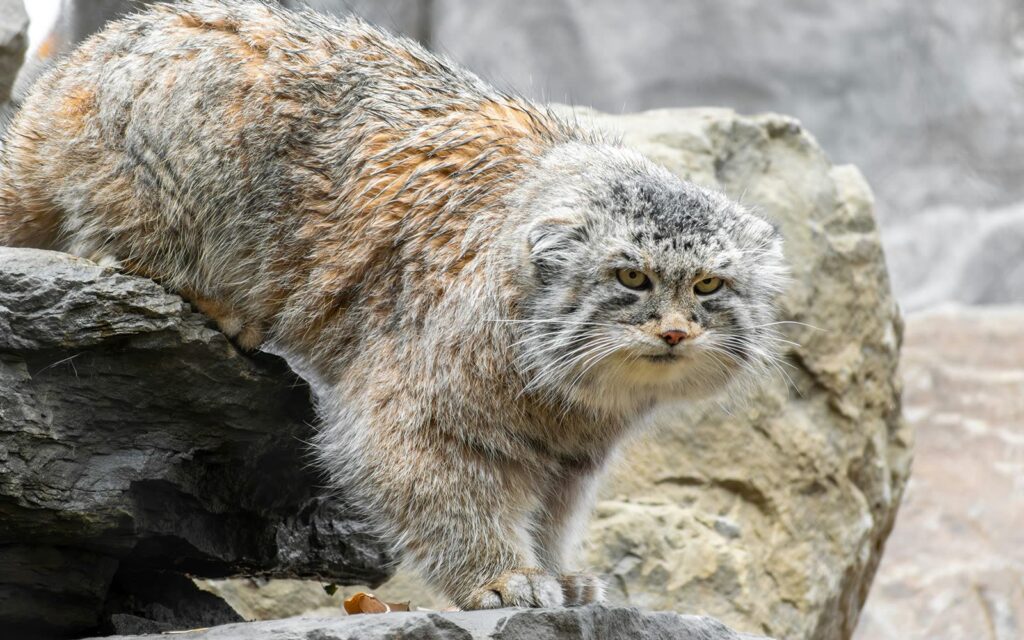
The Pallas’s cat (Otocolobus manul) is a small wild cat native to Central Asia, instantly recognizable by its:
- Dense, long fur
- Flat face and low-set ears
- Thick tail with dark rings
- Permanently “grumpy” facial expression
Unlike other small cats, the Pallas’s cat is not built for speed. Instead, it relies on camouflage, patience, and stillness—often remaining motionless for long periods to avoid detection.
Because of this behavior, it has earned the nickname “Ghost of the Mountains.”
Why the Altai Mountains Are Ideal for Pallas’s Cats
🏔️ Geography & Habitat
The Altai Mountains combine:
- Rocky outcrops and boulder fields
- Open alpine steppe
- Rolling hills and valleys
- Sparse vegetation
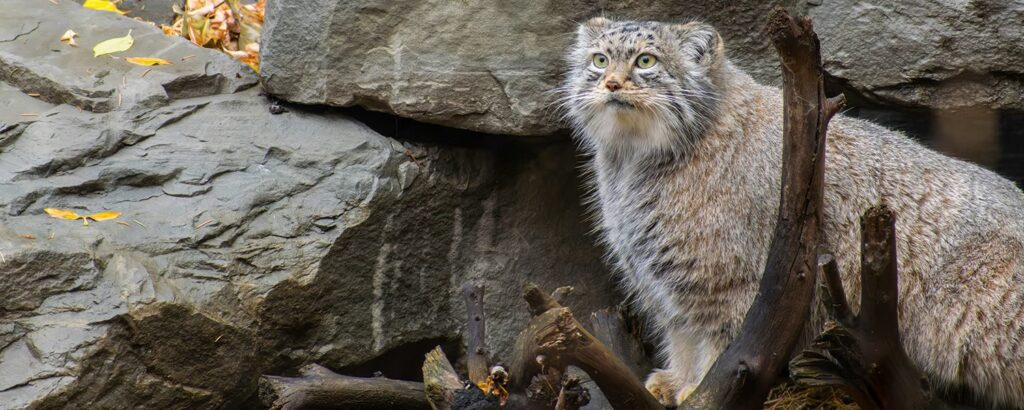
These features are perfect for Pallas’s cats, which depend on rocks and crevices for shelter and hunting vantage points.
❄️ Cold Climate Advantage
Pallas’s cats are uniquely adapted to cold environments. Their fur is among the densest of any wild cat, allowing them to survive extreme winter temperatures. The long winters of the Altai reduce competition from other predators and concentrate prey species.
Pallas’s Cat Behavior in the Altai
🐾 Hunting Style
Pallas’s cats hunt mainly:
- Pikas
- Voles
- Small rodents
- Occasionally birds
They hunt by ambush, staying low and using rocks as cover rather than chasing prey.
🌙 Activity Pattern
They are mostly:
- Crepuscular (active at dawn and dusk)
- Occasionally active during the day in winter
🧭 Territory
Each cat occupies a large home range, making sightings rare. However, snow in winter reveals tracks and movement corridors, greatly improving tracking success.
Best Time to See Pallas’s Cats in the Altai
⭐ November – April (Best Season)
Winter is the best time to track and photograph Pallas’s cats because:
- Snow clearly shows footprints and travel routes
- Cats are more visible against white backgrounds
- Prey movement becomes more predictable
Temperatures can be extreme, but visibility and success rates are highest.
🌿 Summer (June – September)
Summer tracking is possible but more difficult:
- Cats blend into rocky terrain
- Tracks disappear quickly
- Wider roaming behavior reduces encounter chances
Role of Local Eagle Hunters & Trackers
Local Kazakh eagle hunters play a vital role in Pallas’s cat tracking. Their deep understanding of:
- Animal behavior
- Terrain and weather patterns
- Seasonal movement
makes them invaluable guides. These hunters spend their lives reading landscapes—skills passed down through generations.
Their involvement ensures:
- Ethical, non-invasive tracking
- Respect for wildlife and habitat
- Increased chances of meaningful sightings
Conservation Status & Challenges
The Pallas’s cat is classified as Near Threatened due to:
- Habitat loss
- Decline in prey species
- Accidental trapping
- Climate change
Mongolia holds one of the largest remaining populations, making conservation here especially important. Responsible wildlife tourism helps:
- Support local communities
- Encourage habitat protection
- Raise awareness of this rare species
Why the Altai Is Special for Photography
📸 What Makes the Altai Unique
- Vast, untouched landscapes
- Dramatic light and weather conditions
- Minimal human development
- Authentic wildlife behavior
Photographers can capture:
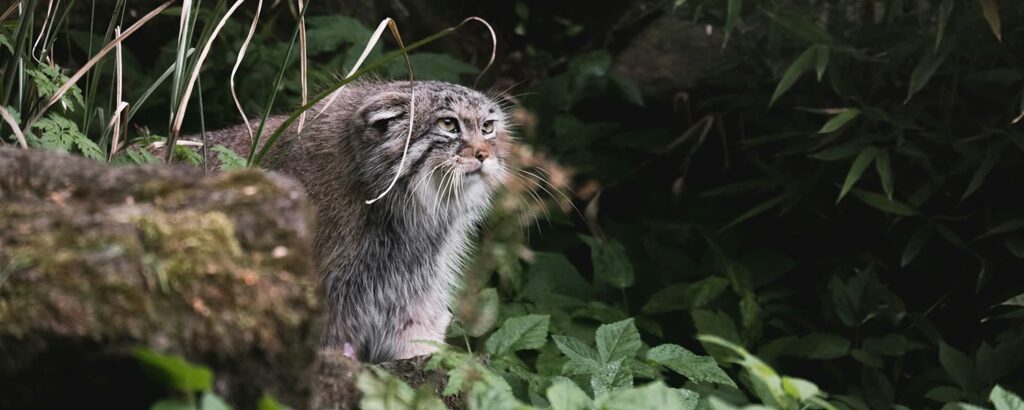
- Pallas’s cats in natural poses
- Environmental portraits
- Snow-covered mountain backdrops
- Rare behavioral moments
A Rare Encounter Worth the Effort
Seeing a Pallas’s cat in the wild is never guaranteed—but that is what makes the experience so powerful. In the Altai Mountains, patience is rewarded not only with possible sightings but with a deeper connection to one of the world’s last truly wild landscapes.
The Altai is not just a place to see the Pallas’s cat—it is where the species still belongs, unchanged by modern life.