
🏜️ Mongol Els Sand Dunes
Mongolia’s Second Largest Sand Sea
🏜️ Mongol Els Sand Dunes – Mongolia’s Second Largest Sand Sea
Mongol Els is one of Mongolia’s grandest and least-explored natural landscapes. Located across Zavkhan and Uvs provinces in western Mongolia, this immense sand dune system is officially recognized as the second largest sand dune area in the country, after the Great Gobi Desert. Stretching for hundreds of kilometers, Mongol Els forms a vast ribbon of golden sand cutting through grasslands, river valleys, lakes, and mountain foothills.
Unlike the southern Gobi, Mongol Els lies in a semi-desert transition zone, where arid dunes exist side by side with fertile pasture, flowing water, and nomadic settlements. This rare geographical combination makes Mongol Els one of the most visually dramatic and ecologically diverse places in Mongolia.
📍 Geography & Landscape
Mongol Els is not a single compact desert but a long, interconnected dune system shaped by strong westerly winds over thousands of years. The landscape features:
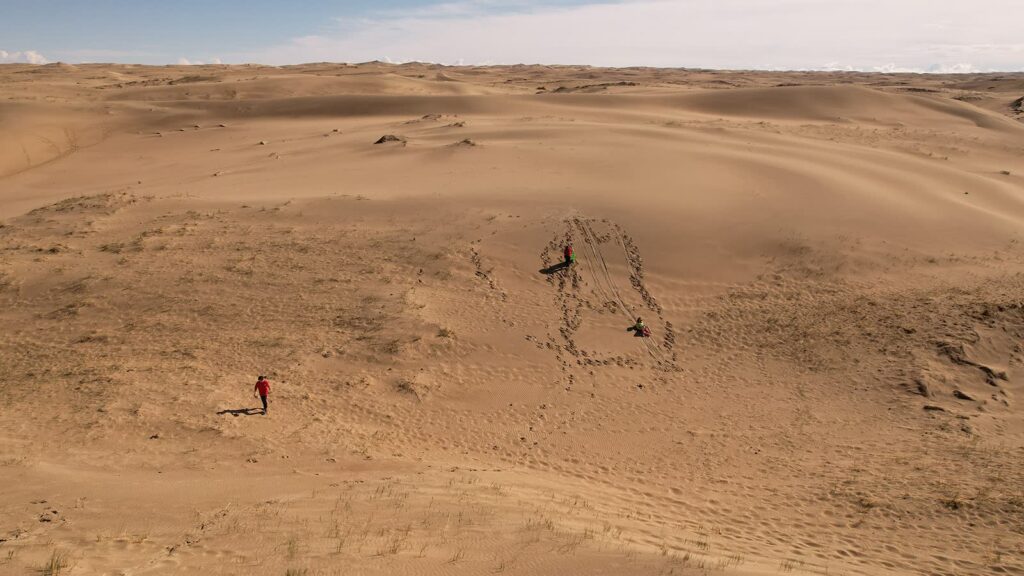
- 🌬️ Long wind-sculpted dune ridges
- 🏜️ Rolling sand hills and steep slip faces
- 🌾 Sandy corridors mixed with steppe vegetation
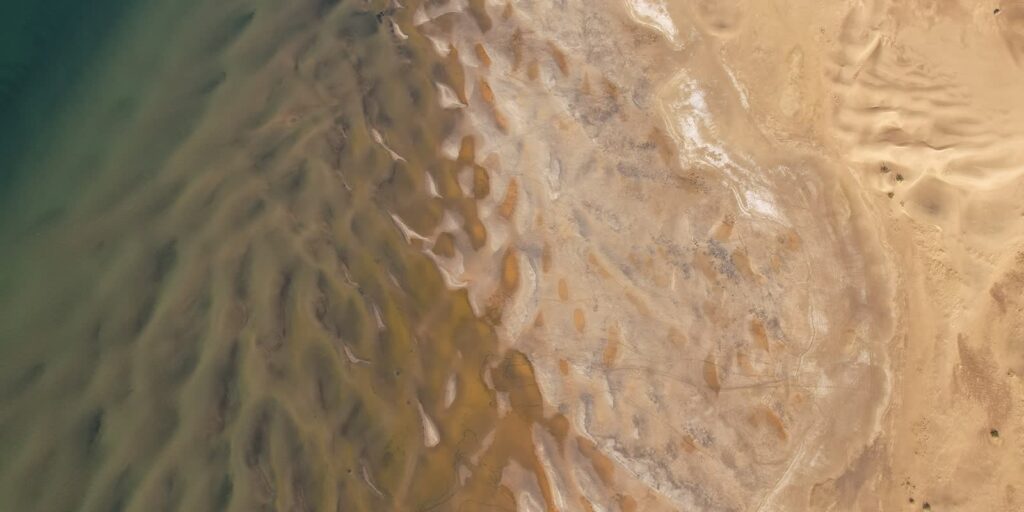
- 💧 Nearby rivers, springs, and seasonal wetlands
From the top of a dune, visitors may witness a breathtaking contrast:
- Golden sand below
- Green grazing land nearby
- Snow-capped Altai Mountains on the horizon
This visual diversity is one of Mongol Els’ defining characteristics.
🌦️ Climate & Natural Environment
Mongol Els experiences a harsh continental climate, typical of western Mongolia:
- ☀️ Summer: Dry and warm, strong sunlight
- 🍂 Autumn: Cool, clear, and stable weather
- ❄️ Winter: Very cold, windy, and dry
- 🌡️ Large temperature swings between day and night
Despite its desert appearance, Mongol Els supports a resilient ecosystem. Hardy shrubs and grasses anchor parts of the dunes, while nearby water sources support wildlife such as:
- 🦅 Birds of prey
- 🐭 Small desert mammals
- 🦎 Reptiles adapted to sandy terrain
In spring and early summer, patches of vegetation and wildflowers emerge along dune edges, softening the desert landscape.
🐪 Nomadic Life & Cultural Heritage
Mongol Els is a living cultural landscape, not an empty wilderness. Nomadic families have adapted to life around the dunes for generations, practicing seasonal migration to access pasture and water.
Livestock commonly seen around Mongol Els includes:
- 🐫 Bactrian camels
- 🐑 Sheep and goats
- 🐎 Horses
- 🐄 Cattle
🏕️ Nomads live in traditional gers (felt yurts) near dunes, rivers, and valleys. Camel herding plays a vital role in this region, and camels resting against towering sand dunes are an iconic image of western Mongolia.
Visitors staying with nomadic families can experience:
- Traditional Mongolian hospitality
- Nomadic food preparation
- Daily herding routines
- Stories passed down through generations
🚶 Things to Do at Mongol Els
Mongol Els offers a wide range of activities for adventure travelers, photographers, and cultural explorers:
- 🐫 Camel Riding across sand dunes
- 🚶 Sand Dune Hiking with panoramic views
- 📸 Photography of landscapes, nomads, and wildlife
- 🏕️ Ger Camps & Nomadic Homestays
- 🌌 Stargazing under pristine night skies
- 🚙 Off-road Exploration linking dunes, lakes, and rivers
Because of its size and remoteness, Mongol Els is ideal for travelers seeking off-the-beaten-path experiences.
📸 Photography Opportunities
Mongol Els is a paradise for photographers:
- 🌅 Sunrise and sunset over dune ridges
- 🐫 Nomads and camels silhouetted against sand
- ☁️ Dramatic skies and shifting shadows
- 🌠 Milky Way and night sky photography
Each season transforms the dunes, offering new textures, colors, and moods.
🗓️ Best Time to Visit Mongol Els
- 🌱 May – June: Green steppe contrasts with golden sand
- 🍂 September – early October: Best weather and photography
- ☀️ July – August: Warm and dry, classic desert conditions
⚠️ Winter travel is possible but recommended only for well-prepared expeditions due to extreme cold and wind.
⭐ Why Mongol Els Is Unique
✔️ Mongolia’s second largest sand dune system
✔️ Rare blend of desert, steppe, rivers, and mountains
✔️ Authentic nomadic culture with minimal tourism
✔️ Ideal for adventure, photography, and cultural tours
Mongol Els represents the essence of western Mongolia—vast, resilient, and timeless.
🧭 Travel Tips
- 🤝 Respect nomadic traditions and fragile environments
- 🚙 A 4WD vehicle is essential
- 🧑🌾 Travel with a local guide for safety and access
- 🎒 Prepare for rapid weather changes