
🌊 Khyrgas Lake
The Deep Blue Heart of Western Mongolia
🌊 Khyrgas Lake – The Deep Blue Heart of Western Mongolia
Khyrgas Lake (also written as Khyargas Lake) is one of the largest and most important lakes in western Mongolia. Located in Uvs Province, within the greater Uvs Lake Basin, Khyrgas Lake is a vast saline lake surrounded by semi-desert steppe, mountain ranges, and nomadic grazing lands. Its immense size, deep blue color, and remote location make it one of Mongolia’s most striking yet least-visited natural wonders.
Far from cities and modern infrastructure, Khyrgas Lake offers travelers a sense of isolation, silence, and raw natural beauty—an ideal destination for adventure travelers, photographers, and nature lovers.
📍 Location & Geography
Khyrgas Lake lies south of the Uvs Lake Basin, forming a key part of the Great Lakes Depression of western Mongolia. It is fed by several rivers, most notably the Zavkhan River, and has no visible outlet, making it a saline lake.
Key geographical features:
- 🌊 One of Mongolia’s largest lakes by area
- 🧂 Saline (salt) lake with deep blue water
- 🏜️ Semi-desert steppe and open plains
- 🏔️ Mountain ranges visible on the horizon
The shoreline varies from gentle sandy beaches to rocky and marshy sections, creating diverse habitats along the lake’s edge.
🌦️ Climate & Natural Environment
Khyrgas Lake experiences a continental climate typical of western Mongolia:
- ☀️ Warm, dry summers
- 🍂 Cool, windy autumns
- ❄️ Very cold winters, when the lake freezes completely
Despite its harsh climate, the lake supports a rich natural environment. The surrounding wetlands and shallow shorelines provide important habitats for wildlife.
🐦 Wildlife & Birdlife
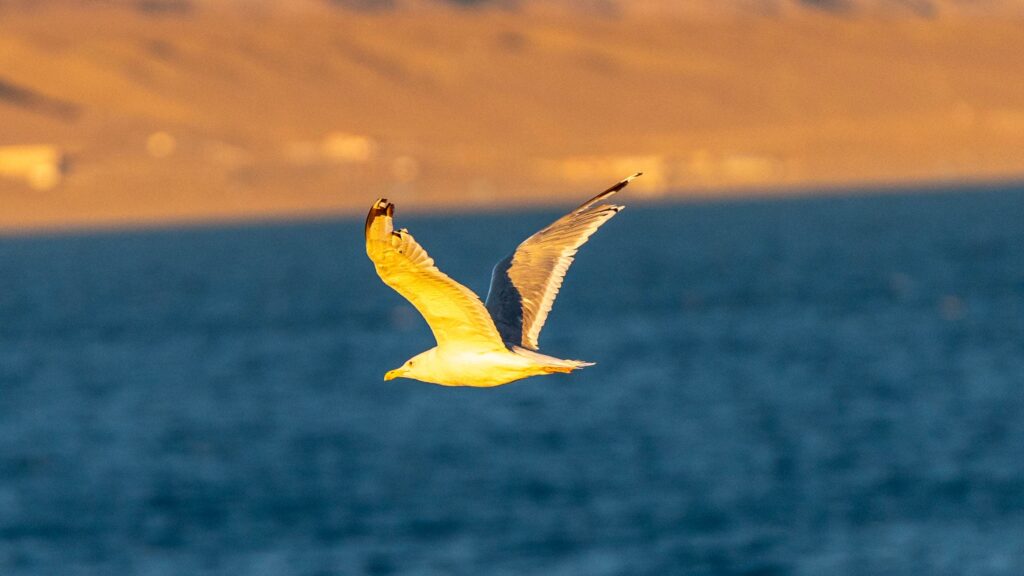
Khyrgas Lake is especially important for birdlife, serving as a seasonal stopover for migratory species moving through Central Asia.
Commonly observed wildlife includes:
- 🦆 Waterfowl and migratory birds
- 🦅 Birds of prey and steppe raptors
- 🐭 Small mammals adapted to arid conditions
During summer and early autumn, the lake becomes alive with bird activity, making it a rewarding destination for birdwatchers and photographers.
🐪 Nomadic Life Around Lake
Nomadic families have grazed livestock around Khyrgas Lake for centuries. The surrounding steppe provides pasture for:
- 🐑 Sheep and goats
- 🐎 Horses
- 🐄 Cattle
- 🐫 Camels (in drier zones)
🏕️ Nomads live in traditional gers (yurts) and move seasonally to balance pasture use. Life here follows ancient rhythms shaped by water availability, weather, and livestock needs.
Visitors who stay with nomadic families can experience:
- Authentic hospitality
- Traditional dairy products
- Daily herding activities
- Stories of life in one of Mongolia’s most remote regions
🚶 Things to Do
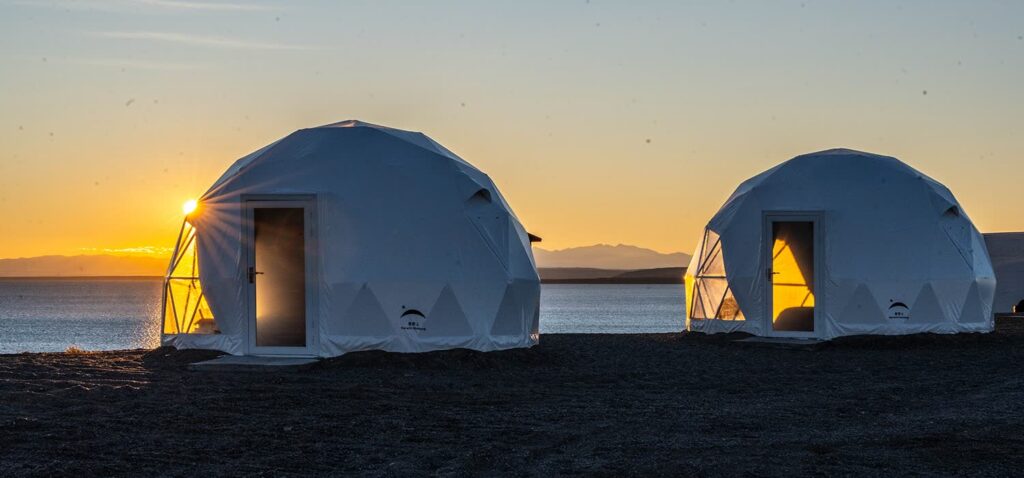
Khyrgas Lake is ideal for travelers seeking peaceful, nature-based experiences:
- 🚶 Lakeshore walks and exploration
- 📸 Landscape and wildlife photography
- 🐦 Birdwatching during migration seasons
- 🏕️ Camping or nomadic homestays
- 🌌 Stargazing under vast open skies
The remoteness of the area ensures minimal disturbance and pristine conditions.
📸 Photography Opportunities
Khyrgas Lake offers exceptional photography subjects:
- 🌅 Sunrise and sunset reflections on the lake
- 🌊 Deep blue water against pale steppe
- 🐪 Nomads and livestock near the shoreline
- ☁️ Expansive skies and dramatic cloud formations
The scale of the lake creates powerful wide-angle compositions, especially during calm weather.
🗓️ Best Time to Visit Khyrgas Lake
- 🌱 June – August: Warm temperatures, wildlife activity, accessible roads
- 🍂 September: Cooler weather, clear skies, excellent photography
⚠️ Winter visits are possible but challenging due to extreme cold and limited access.
⭐ Why Khyrgas Lake Is Special
✔️ One of Mongolia’s largest and deepest saline lakes
✔️ Part of the ecologically important Uvs Lake Basin
✔️ Remote, peaceful, and rarely visited
✔️ Rich birdlife and nomadic culture
Khyrgas Lake represents the quiet, expansive beauty of western Mongolia—vast, timeless, and deeply connected to nature.
🧭 Travel Tips
- 🤝 Respect nomadic land use and wildlife habitats
- 🚙 4WD vehicle is essential
- 🧭 Travel with a local guide for navigation and safety
- 💧 Bring sufficient water and supplies