
🏔️ Deglii Tsagaan Mountain
Sacred Landscape of Nomads in the Mongolian Altai
🏔️ Deglii Tsagaan Mountain
Deglii Tsagaan Mountain is a spiritually revered and geographically distinctive mountain located in Bayan-Ölgii Province, western Mongolia, within the greater Altai Mountain system. Although less famous than the glaciated giants such as Khuiten Peak or Tavan Bogd, Deglii Tsagaan plays a profound role in local nomadic culture, spiritual belief, and seasonal life.
The peak known as Deglii Tsagaan (also referred to as Türgen Peak) in the Altai Mountains of western Mongolia has an elevation of approximately 4,029 meters (13,222 feet) above sea level, making it one of the notable high mountains in the region.
Its name roughly translates to “Holy White Mountain,” a reference not only to its pale rock formations and seasonal snow cover, but also to its sacred status among Kazakh and Mongolian herders who consider the mountain a guardian of land, livestock, and people.
🌍 Geographical Setting & Natural Form
Deglii Tsagaan Mountain rises gently from the high-altitude steppe plains typical of western Mongolia, forming a dramatic yet harmonious transition between open grasslands and rugged mountain terrain.
Key geographical features include:
- Rolling alpine ridges rather than sharp peaks
- White and light-gray stone outcrops giving the mountain its name
- Wide valleys used as summer and autumn pasturelands
- Seasonal rivers and springs fed by snowmelt
- Panoramic horizons with uninterrupted views of the Altai landscape
Unlike heavily glaciated Altai peaks, Deglii Tsagaan is more accessible and visually soft, offering a calm, expansive, and meditative mountain environment.
🐎 Cultural Importance & Spiritual Beliefs
Deglii Tsagaan Mountain is deeply embedded in nomadic spiritual traditions. For centuries, local herding families have regarded it as a sacred mountain (shutlegt uul)—a place believed to be inhabited by protective nature spirits.
Cultural elements you may encounter include:
- Ovoo cairns built from stone, used for prayer and offerings
- Blue and white khadag scarves tied to trees or cairns
- Seasonal rituals asking for good weather, healthy livestock, and safe journeys
- Taboos against hunting or disrespectful behavior near sacred areas
Nomads traditionally circle ovoos clockwise, offer milk or food, and refrain from loud or careless behavior on the mountain—customs that continue to this day.
🐫 Nomadic Life Around Deglii Tsagaan
The valleys surrounding Deglii Tsagaan Mountain are actively used by Kazakh and Mongolian nomadic families during seasonal migrations. In summer and early autumn, you’ll find:
- Gers (felt yurts) set near rivers and pasture
- Herds of sheep, goats, horses, yaks, and camels
- Families producing dairy products such as airag, butter, and cheese
- Children riding horses across open steppe
This makes Deglii Tsagaan an excellent destination for cultural immersion, offering genuine encounters rather than staged experiences.
🐾 Wildlife & Ecosystem
The mountain and surrounding steppe support a diverse Altai ecosystem, particularly adapted to high altitude and extreme seasonal change.
Wildlife commonly found includes:
- Siberian marmots
- Red fox and corsac fox
- Steppe eagles, golden eagles, and vultures
- Small mammals and alpine bird species
- Occasional sightings of ibex in rocky areas
The region represents a transition zone between mountain and steppe ecosystems, which increases biodiversity and photographic interest.
🥾 Trekking & Outdoor Activities
Deglii Tsagaan Mountain is well suited for light trekking, horseback travel, and exploratory walks, rather than technical mountaineering.
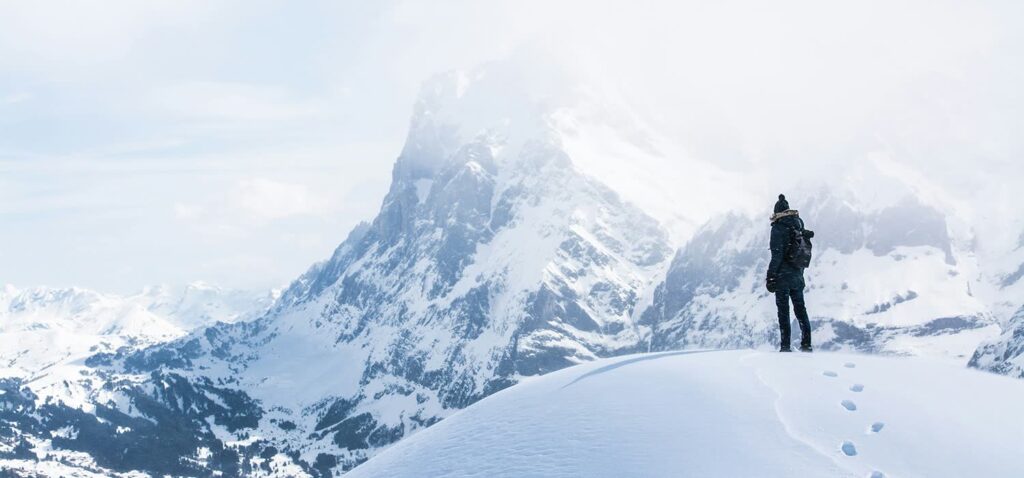
Popular activities include:
- Half-day and full-day hikes along ridges and valleys
- Horseback riding with local herders
- Cultural walks to sacred ovoos
- Landscape and lifestyle photography
- Meditation and slow travel experiences
Because of its remoteness and lack of mass tourism, the area remains quiet, authentic, and untouched.
📸 Photography & Visual Appeal
For photographers, Deglii Tsagaan Mountain offers exceptional conditions:
- Soft mountain contours ideal for wide-angle landscapes
- Dramatic skies with fast-changing Altai weather
- Nomadic life set against open steppe backdrops
- Sunrise and sunset light reflecting off pale rock formations
- Minimal light pollution for night and astrophotography
The mountain’s subdued colors and vast space create a timeless, minimalist aesthetic.
❄️ Seasonal Character & Best Time to Visit
- June–August: Green pastures, nomadic activity, mild temperatures
- September–October: Golden autumn colors, crisp air, fewer visitors
- November–March: Snow-covered silence, extreme cold, spiritual atmosphere
- April–May: Transition season, lingering snow, early migration movements
The best overall period for most travelers is June to early October, depending on interest in culture, photography, or solitude.
✨ Why Deglii Tsagaan Mountain Matters
Deglii Tsagaan Mountain is not a destination defined by altitude or conquest. Instead, it represents:
- A living spiritual landscape
- Harmony between humans, animals, and nature
- The quiet strength of nomadic tradition
- An authentic Altai experience far from mass tourism
It is a place where culture, belief, and landscape remain deeply connected, offering visitors a rare opportunity to experience Mongolia as it has been lived for centuries.