
Tsengel Khairkhan Mountain /3,943 m/
A Remote and Spiritual Landscape in Western Mongolia
Tsengel Khairkhan Mountain, Sacred Peaks of the Mongolian Altai
A Remote and Spiritual Landscape in Western Mongolia
The Tsengel Khairkhan Mountains rise dramatically in the far west of Mongolia, forming one of the most sacred and visually striking mountain ranges of the Mongolian Altai. Located in Bayan-Ölgii Province, near the borders of Kazakhstan and China, Tsengel Khairkhan is a place where wild nature, ancient spirituality, and nomadic culture remain deeply intertwined.
Far less visited than neighboring Altai Tavan Bogd National Park, Tsengel Khairkhan offers travelers a rare chance to explore untouched alpine landscapes, encounter traditional Kazakh nomads, and experience one of Mongolia’s most revered sacred mountains.
Geography & Location
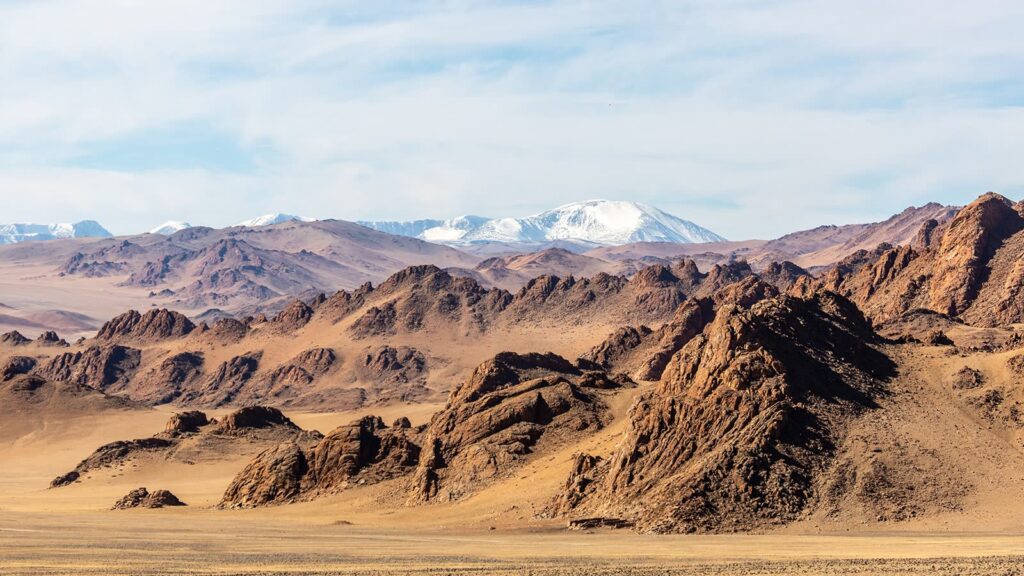
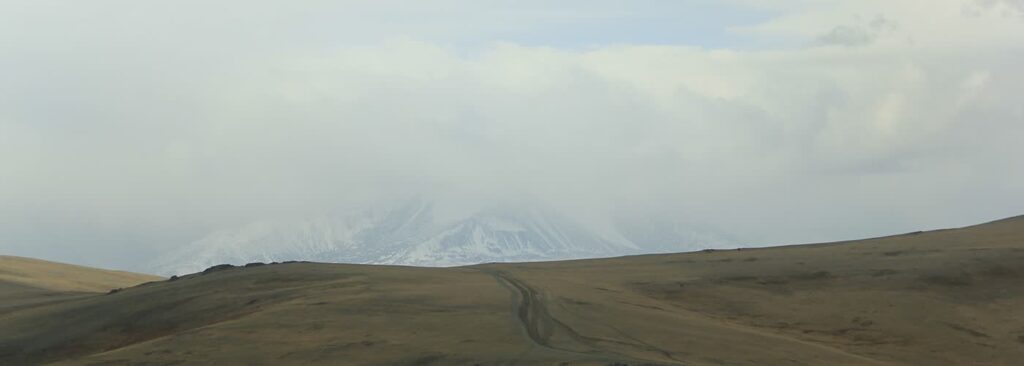
Tsengel Khairkhan is situated south of Altai Tavan Bogd and west of the town of Tsengel. The mountain massif dominates the surrounding steppe and valleys, with rugged ridges, snow-covered peaks, and wide pastoral lands.
- 📍 Region: Bayan-Ölgii Province, Western Mongolia
- 🏔️ Highest Peak: Tsengel Khairkhan (3,943 m)
- 🌍 Landscape: Alpine mountains, glaciers, rivers, steppe valleys
Its remote position means limited infrastructure, preserving the area’s pristine condition and raw beauty.
Sacred Mountain & Cultural Importance
Tsengel Khairkhan is considered a holy mountain by local Kazakh and Mongolian communities. For centuries, nomads have believed the mountain is protected by powerful spirits.
Wildlife of the Tsengel Khairkhan Region
Thanks to minimal human disturbance, Tsengel Khairkhan supports rich wildlife populations.
🐾 Mammals
- Pallas’s cat (Manul)
- Snow leopard (rare but present)
- Siberian ibex
- Argali wild sheep
- Wolves and foxes
🦅 Birds
- Golden eagles
- Bearded vultures
- Steppe eagles
The region is especially valuable for wildlife tracking and photography, particularly in winter when snow reveals animal movement.
🕊️ Spiritual Traditions
- Locals traditionally do not climb the summit
- Annual mountain worship ceremonies are held
- Offerings of milk, scarves (khadag), and prayers are made
- Hunting and loud behavior near sacred areas are avoided
These traditions continue today, making Tsengel Khairkhan not just a natural landmark, but a living cultural symbol.
Nomadic Life Around Tsengel Khairkhan
The valleys surrounding the mountains are home to Kazakh nomadic families, many of whom practice seasonal migration with their livestock.
Visitors may encounter:
- Ger camps (felt yurts)
- Horse and camel herding
- Eagle hunters during winter
- Traditional Kazakh hospitality
Life here follows ancient rhythms shaped by weather, pasture, and respect for the land.
Best Time to Visit Tsengel Khairkhan
❄️ Winter (November – March)
- Ideal for wildlife tracking (snow leopard & Pallas’s cat)
- Eagle hunting season
- Extreme cold but dramatic scenery
🌼 Summer (June – September)
- Mild temperatures
- Lush alpine meadows
- Best for trekking, cultural visits, and landscape photography
🍁 Autumn (September – October)
- Golden colors and clear skies
- Active wildlife
- Ideal shoulder season for photographers
Trekking & Exploration
While the main peak is not climbed out of respect, surrounding ridges, valleys, and viewpoints offer excellent trekking opportunities.
🥾 Activities
- Day hikes through alpine valleys
- Wildlife tracking excursions
- Cultural visits to nomadic families
- Landscape and night-sky photography
Trekking here is suitable for travelers seeking quiet, non-crowded wilderness experiences rather than technical climbing.
Why Tsengel Khairkhan Is Special
✔️ One of Mongolia’s most sacred mountains
✔️ Minimal tourism and untouched landscapes
✔️ Strong connection between nature and nomadic culture
✔️ Excellent wildlife and photography potential
✔️ Authentic Kazakh traditions preserved
Tsengel Khairkhan is not a destination for mass tourism—it is a place for respectful exploration, patience, and deep cultural connection.
A Mountain That Demands Respect
Tsengel Khairkhan is more than a mountain—it is a guardian of the land, a symbol of belief, and a reminder of how humans once lived in balance with nature. For travelers who value authenticity, silence, and meaning, this sacred peak offers an unforgettable experience in the heart of the Mongolian Altai.